
BURSITIS
Bursitis — Podiatry Care in Knoxville, TN
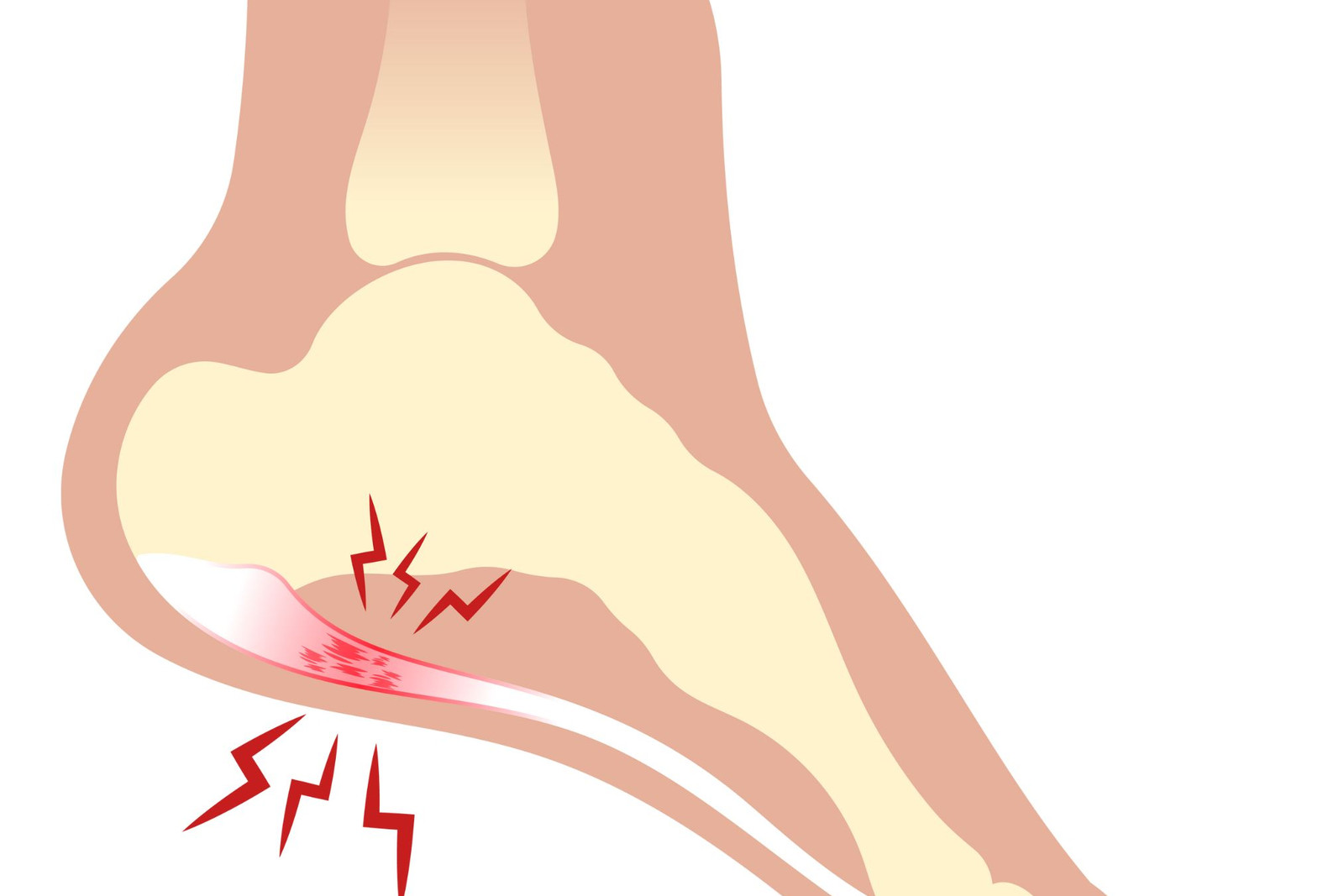
A bursa is a small fluid-filled sac that cushions the space between bone and soft tissue. When one becomes inflamed the result is a localized, often warm and swollen area of pain that is tender to touch. The most common site is behind the heel, where it is regularly mistaken for Achilles tendonitis.
Bursitis is inflammation of a small cushioning sac between bone and tendon or skin. It usually shows up at the back of the heel as a tender, swollen, sometimes warm spot that hurts when a shoe presses on it. It is frequently confused with tendonitis — and the two are treated differently, which is why getting the diagnosis right matters.
Common signs
- A tender, swollen spot at the back of the heel or over a bony bump
- Pain that is worse with shoes that press on the area
- Warmth or redness over the painful spot
- Pain at the start of activity that may ease, then return afterward
What usually helps
- Footwear that takes pressure off the inflamed area, including open-back shoes
- Heel lifts or padding to reduce compression
- Stretching the calf if a tight Achilles is contributing
- Ice, activity modification, and anti-inflammatory medication
Tender lump at the back of your heel? Tell us what you are feeling and we will help you work out whether it is bursitis or something else.
Retrocalcaneal bursitis — pain at the back of the heel
The retrocalcaneal bursa sits between the heel bone and the Achilles tendon. When it becomes inflamed the back of the heel becomes tender, swollen, and often warm. It hurts most when a firm shoe counter presses against it, and it can be painful to squeeze the area just in front of the Achilles tendon. This is the single most commonly misdiagnosed heel problem we see — it is regularly treated as Achilles tendonitis for months, which is why it does not improve.
Haglund’s deformity
Haglund’s deformity is a bony enlargement at the back of the heel bone. The prominence itself is not painful, but it irritates the bursa and the soft tissue over it, particularly in rigid-backed shoes. The combination of a bony bump, an inflamed bursa, and a thickened Achilles insertion is common and needs to be treated as a whole rather than as one part.
Other sites of bursitis
A bursa can become inflamed anywhere bone sits close to the surface. In the foot that includes the inside of the big toe joint alongside a bunion, under the ball of the foot, and over the outside of the fifth toe. Wherever it occurs, the pattern is the same: a localized, tender, sometimes warm swelling that is aggravated by pressure.
How bursitis is treated
The aim is to take pressure and inflammation off the bursa and address whatever caused it:
- Footwear changes — open-backed or soft-backed shoes to stop the counter pressing on the heel.
- Padding or a heel lift — to reduce compression at the painful spot.
- Calf stretching — a tight Achilles increases pressure on the retrocalcaneal bursa and is often the underlying driver.
- Ice, activity modification, and anti-inflammatory medication — for the acute flare.
- A carefully placed injection in selected cases. Injections near the Achilles tendon carry specific risks, so this is a decision made deliberately, not routinely.
When bursitis keeps coming back
Bursitis that settles and then returns every time you go back to normal shoes or normal activity has usually not had its underlying cause addressed — or the inflammation has become chronic rather than acute.
If you have been dealing with bursitis for months and conservative care has been genuinely tried, our sister clinic offers Low-Dose Radiation Therapy (LDRT) for chronic, treatment-resistant inflammation of this kind. It is a non-surgical option, it is not appropriate for everyone, and the consult is where we work out whether it fits your situation.
What happens at your first visit
We locate exactly which structure is tender — bursa, tendon insertion, or bone — because the treatment differs. Imaging is used when it will change the plan. You leave knowing what you actually have, which is often the part that has been missing.
How long it takes
An acute bursitis settles over a few weeks once the pressure is removed. A chronic one that has been present for months takes longer and needs the underlying cause corrected, not just the flare treated.
Contact us to schedule an evaluation.