
PLANTAR FIBROMA
Plantar Fibroma — Podiatry Care in Knoxville, TN
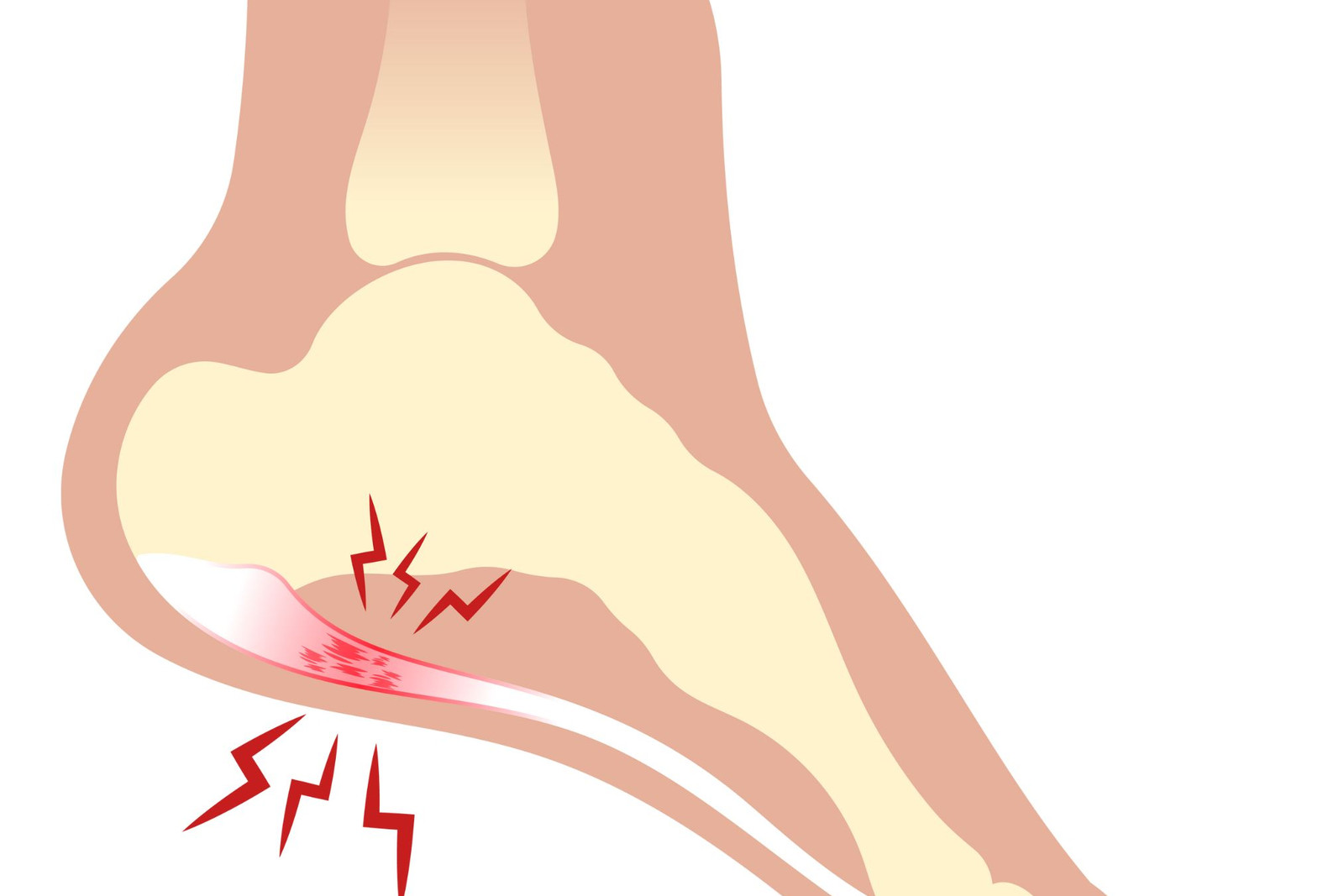
A plantar fibroma is a firm, benign nodule that develops within the plantar fascia in the arch of the foot. It is not cancerous and it does not spread, but it can become uncomfortable when standing, walking, or wearing certain shoes. When multiple nodules develop it is known as Ledderhose disease.
A plantar fibroma is a firm lump in the arch of your foot, sitting within the plantar fascia itself. It is benign. It is also commonly mistaken for plantar fasciitis, which matters because the two are managed differently — stretching that helps plantar fasciitis can make a fibroma more uncomfortable.
Common signs
- A firm lump you can feel in the arch of the foot
- Discomfort when standing barefoot or on hard surfaces
- Pressure or pain from shoes over the lump
- A nodule that has been slowly enlarging over months or years
What usually helps
- Orthotics designed to offload the nodule specifically
- Padding to take pressure off the lump
- Footwear with appropriate cushioning and support
- Monitoring, since many fibromas remain stable and need no intervention
Felt a firm lump in your arch? Tell us about it and we will help you understand whether it needs treating.
What a plantar fibroma is
A plantar fibroma is a benign nodule of fibrous tissue that develops within the plantar fascia, the thick band running along the sole of the foot. Unlike a cyst it is firm and fixed within the fascia rather than mobile under the skin. It typically sits in the arch, grows slowly, and does not resolve on its own. It is not cancer and it does not spread elsewhere in the body.
Ledderhose disease
When multiple fibromas develop along the plantar fascia the condition is called Ledderhose disease, or plantar fibromatosis. It is the foot equivalent of Dupuytren’s contracture in the hand, and the two can occur in the same person. Nodules may remain stable for long periods or gradually enlarge, and in advanced cases the tissue can tighten enough to affect how the foot functions.
Why it gets confused with plantar fasciitis
Both cause arch and sole pain, and both involve the plantar fascia. The difference is that plantar fasciitis is an irritation of the fascia at the heel, worst with the first steps of the morning, with no palpable lump. A fibroma is a discrete firm nodule you can feel, and it hurts because of direct pressure on it rather than because of a morning start-up pattern. This distinction matters: aggressive stretching helps plantar fasciitis but can make a fibroma more symptomatic.
How plantar fibroma is treated
Most fibromas are managed rather than removed:
- Offloading orthotics — a custom orthotic shaped with a well placed accommodation so the nodule is not being compressed with every step. This is the mainstay of treatment.
- Padding and footwear changes — cushioning that spreads pressure away from the lump.
- Observation — a stable, painless fibroma often needs nothing beyond monitoring.
- Injection in selected symptomatic cases, discussed individually.
Surgical excision exists but is approached cautiously, because fibromas recur after surgery more often than patients expect and the resulting scar can itself be painful.
When a fibroma stays painful
If a fibroma continues to hurt despite proper offloading, or is enlarging and increasingly limiting what you can do, there are non-surgical options worth understanding before considering excision.
Our sister clinic offers Low-Dose Radiation Therapy (LDRT) for symptomatic plantar fibroma and Ledderhose disease. It targets the fibrous tissue without an incision, which matters given the recurrence and scarring risks that come with surgery. Whether it is appropriate for you is decided at a consultation, not in advance.
What happens at your first visit
We examine the nodule, confirm it is a fibroma rather than something else, and assess how much of your pain is coming from direct pressure on it. Imaging is used when the diagnosis is not clear on examination. Then we build an offloading plan around the specific location of your nodule.
How long it takes
Well made offloading usually improves comfort within a few weeks. The nodule itself does not disappear with conservative care — the aim is to stop it hurting and to keep it from limiting you.
Contact us to schedule an evaluation.